
You are here
Gbaraun Clan Marginalisation in Edo State, Nigeria – A Risk Too Brittle to Ignore!
On the International Day for Preventing the Exploitation of the Environment in War and Armed Conflict, we are reminded that the consequences of conflict extend beyond human suffering; they also deeply affect ecosystems, resource governance, and community survival. In the Niger Delta, the aftermath of armed conflict continues to shape the lives of ex-combatants, particularly those excluded from formal reintegration programs. The Gbaraun Clan in Ovie South-West is one of the five ethnic groups forming the Ijaw communities in Edo State, Nigeria’s Niger Delta region. The Gbaraun people took part in the Niger Delta coastal insurgency and militancy against Nigerian oil and gas facilities, which significantly impacted the country’s revenue. This prompted the establishment of Nigeria’s Presidential Amnesty Programme (PAP) in 2009, aimed at disarmament, demobilisation, and reintegration (DDR) to resolve decades of resource conflicts and unrest. As a result, 30,000 ex-combatants enrolled in PAP. After sixteen years, many former child soldiers and ex-combatants, who were excluded from PAP, remain condemned to lives of marginalisation and poverty in the Gbaraun Clan. When DDR programmes fail to adequately support ex-combatants and former child soldiers, as seen in PAP, they are often compelled to self-demobilise. Consequently, they become invisible to formal reintegration initiatives. Since self-reintegration occurs through informal support systems, it increases their vulnerability to economic crises and exploitation. When they self-reintegrate, they struggle to earn a livelihood, resulting in unexplained killings, displacement, trafficking, and re-recruitment. It also further impairs their social acceptance by exposing them to socially constructed identities that reinforce rejection in post-conflict circumstances. This rejection can result in problematic behaviours and substance abuse.
Unfortunately, the Gbaraun ex-fighters feel neglected regarding benefits and opportunities, mainly due to ethnic politics in Edo State that marginalise Ijaw communities, including the Gbaraun Clan. Gbaraun comprises more than 50 communities, yet they lack essential healthcare facilities, such as a hospital. One female ex-combatant recounted how she and other women still depend on local traditional health attendants and auxiliary nurses for maternal care and delivery, often giving birth at home, which can result in difficult labour, stillbirths, and maternal deaths. As a result, they cross into neighbouring Ondo State by speedboat or local canoes to seek healthcare and sometimes arrive too late. While healthcare is not the only problem facing the Gbaraun Clan, their only primary school, “Oha Primary School”, is in a poor state and lacks qualified teachers. Without support, ex-fighters from Gbaraun find it difficult to access education, healthcare, and employment, which continues to entrench poverty and marginalisation in Edo State.
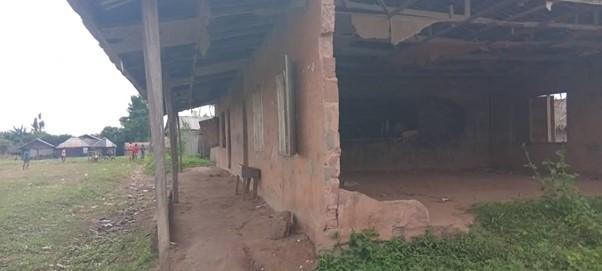
Oha primary school in the Gbaraun community (Source: Fieldwork photos, 10/09/25).
Nevertheless, to help their children attend school, the community recruited informal teachers at the primary school level and funded their wages. Although the state receives a regular income from the 13% derivation fund from the Federation Account. This is part of the oil-producing states’ allocation under Section 162(2) of the Nigerian Constitution of 1999, of which Edo State is one. According to Arise TV, Nigeria’s oil-producing states received N620.23 billion between January and May 2025, a 101% increase from the previous year. Of this, Edo State received N18.60 billion (£9,563,546.62). The Gbaraun people see their situation as exploitation and marginalisation in Edo State’s share of gas and oil revenue. They also believe that their riverine location, poor road access, and lack of an electoral ward continue to place them at a disadvantage.
Furthermore, the only facility provided by the Niger Delta Development Commission (NDDC) in the Gbaraun community has never been operational since it was deployed to the site 17 years ago. Yet, the NDDC is responsible for development support in oil-producing host states. The Gbaraun people believe that if the late warlord and leader, Prince Idolor (who died in 2009), had been alive, he would also have advocated for its operation. Consequently, they mourn that Idolor’s death was a setback for their kingdom, marginalising them in the PAP reintegration benefits and opportunities, as well as in Edo State politics at large. A more purposeful and inclusive intervention from the NDDC is necessary to address the cycle of marginalisation in the Gbaraun Clan.
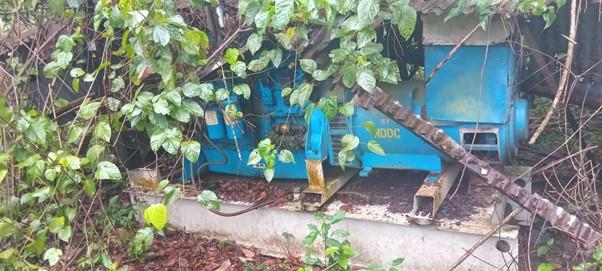
(Source: Fieldwork photos, 10/09/25)
The Gbaraun Clan is also endowed with fertile land suitable for crop farming, as well as palm and timber products, which has led to the establishment of the prominent Okomu Oil Palm Plc in their area. To generate additional revenue, the Gbaraun Clan often rents out these farmlands to capable individuals known as “settlers” for short-term tenures. The women feel exploited from the settlers' income due to their gender and the operational patrilineal system. Significantly, the settlers' rents and bonuses from Okomu Oil Palm Plc serve as informal revenue for the Gbaraun community fund, which they use to support community projects.
The limited presence of the State, combined with the multiple intersecting layers of marginalisation within the community, further exacerbates the conditions faced by excluded ex-fighters. As a result, some of these ex-fighters turn to kidnapping, illegal artisanal oil refining (kpo-fire), and sea piracy. The environmental degradation caused by these activities reflect the broader consequences of conflict-driven resource mismanagement. These activities, which involve operating outside formal institutional norms amidst their uncertain process of self-reintegration, demonstrates not only survival mechanisms but systemic neglect.
My interview with staff from an international non-profit organisation highlights the risk of kidnapping associated with riverine communities in Edo State. I asked if their sensitisation programmes for their project on trafficking vulnerable girls into prostitution extend to the Gbaraun Kingdom, and the immediate response was ‘No’, as riverine areas are risky. Similarly, a low-level bureaucrat I interviewed confirmed the security concerns, thereby affirming the government agency's limited engagement with the riverine communities. While the PAP reintegration programme is essential for registered ex-combatants, those marginalised and excluded from the PAP pose a concern to the Gbaraun environment. These excluded ex-fighters remain vulnerable to exploitation and abuse by armed groups. As a result, they pose a significant threat not only to the national stability of the Niger Delta but also have implications for global trade.
Ethnic politics further complicates post-conflict experiences of Gbaraun Clan ex-fighters. Its implications are evident in how it reinforces recognition of ethnic differences in Edo State, particularly when accessing power, basic services, institutions, policy change, and reintegration. Ethnic ties oftens serve as informal support systems, enabling individuals and groups to pursue personal goal, such as securing employment, accessing educational opportunities, and advancing professional careers. The reality remains that the lived experiences of ex-fighters often contribute to the rebuilding of cross-ethnic bonds. However, ethnic politics can increase social risk factors in the reintegration process. This dynamic may intensify local interactions that shape sociocultural and psychological narratives, potentially complicating peacebuilding efforts.
Therefore, inclusive decision-making in Edo State is vital. The active involvement of the Gbaraun Clan in peacebuilding initiatives, especially within institutions like the Edo State Oil and Gas Producing Areas Development Commission (EDSOPADEC) is essential. EDSOPADEC holds the potential to address underlying reintegration challenges and structural inequalities. Currently, neither an Ijaw individual nor a representative from the Gbaraun Clan serves on the EDSOPADEC management team, even though oil and gas resources are located within Ijaw communities. These resources qualify Edo as an oil-producing State, yet the communities that contribute directly remain underrepresented. Strengthening Edo State's peacebuilding efforts through inclusive governance will support sustainable livelihoods and economic opportunities for ex-fighters in the Gbaraun Kingdom, thereby contributing to poverty reduction and long-term stability. As we mark this UN Day, it is essential to recognise that environmental exploitation is both a consequence and a driver of conflict. The Niger Delta’s post-conflict landscape reveals how exclusion, marginalisation, and resource mismanagement intersect to threaten not only local stability but also global trade and environmental sustainability. Addressing these challenges requires inclusive governance, gender equity, and a commitment to protecting both people and the environment. Only then can peacebuilding efforts truly support sustainable development and long-term resilience in communities like the Gbaraun Clan.
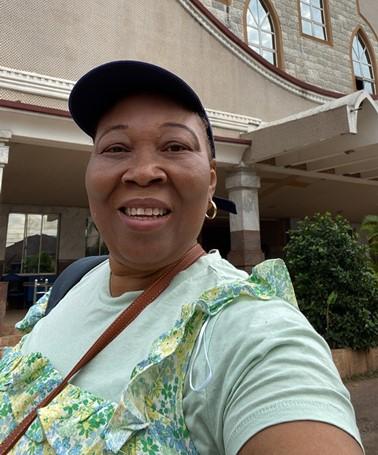
Author’s bio:
Margaret I. Abazie-Humphrey is a PhD (Politics) candidate at the School of Sociology, Politics and International Studies (SPAIS), University of Bristol, funded by the Nigerian government. Margaret has worked with Nigerian post-conflict intervention programmes, particularly in disarmament, demobilisation, and reintegration (DDR) of Niger Delta ex-combatants, where she held various technical roles for ten years. Her previous DDR experience in Nigeria inspired her doctoral research on the lived experiences of marginalised child soldiers. Using qualitative interviews and Roger Mac Ginty’s “Everyday Peace Theory,” Margaret investigates how ethnic politics influence marginalised former child soldiers in Nigeria’s Niger Delta region in accessing benefits and opportunities within the informal sphere, since their marginalisation renders them invisible to state protection services. Margaret was a PSA Diverse Voices Scholar for the 2024/2025 cohort.